
In late 2001, the football world was still processing Michael Owen's rise from teenage sensation to Ballon d'Or winner. The Liverpool forward had just become the first British player to claim the award since Kevin Keegan in the 1970s, and his explosive pace, sharp finishing and fearless running had made him one of the most exciting attackers in the game. Around the same time, Pele sat down with BBC Sport to discuss the contenders for the 2002 World Cup in South Korea and Japan. The Brazilian legend, a three-time World Cup winner and one of the greatest players ever to grace a pitch, was generous in his praise of England's talent. He believed the Three Lions had a real chance to go far, and he singled out Owen as a player who could eventually become the finest on the planet.
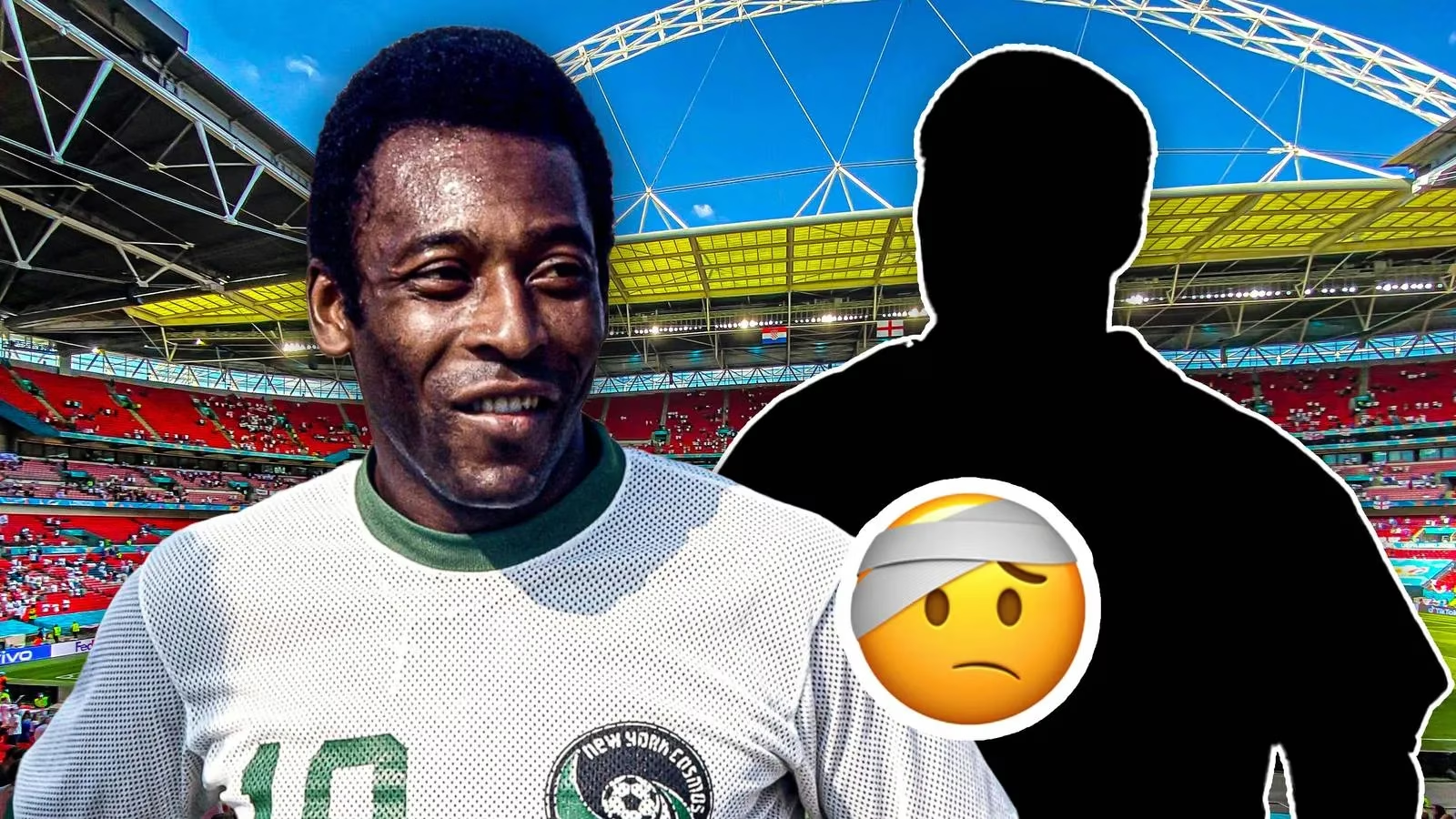
Pele's timing was striking. Owen had already shown that he could deliver on the biggest stages, but the Brazilian was not simply reacting to one award. He was identifying a quality that few players possess: the ability to turn a match with a single burst of speed. Owen's game was built on acceleration, close control at pace and a natural instinct for arriving in the right place at the right time. For a defender, he was a nightmare. For a coach, he was a weapon. For Pele, he was a young forward with the potential to reach the very top.
Yet Pele was careful with his wording. He did not claim that Owen was already the best player in the world. Instead, he placed the French maestro Zinedine Zidane at the summit. Pele also included David Beckham among the world's best, describing the midfielder as a different kind of player, one who was more technical and capable of setting up a team and a game. Still, when it came to a vote for world player of the year, Pele said he would stay with Zidane. The message was clear: Owen had the talent to climb the mountain, but the peak still belonged to someone else.
⚡ The Rise of a Teenage Striker
Owen's story had begun with unusual speed. He burst onto the scene as a teenager for both Liverpool and England, and his early years were defined by a kind of fearless energy that defenders could not contain. He was not the biggest player on the pitch, but he did not need to be. His first few yards were devastating, and his finishing was calm beyond his years. By 2001, he had become the face of a new generation of English football, a player who seemed destined for a long reign among the elite.
That year, the Ballon d'Or confirmed what many had suspected. Owen was no longer just a promising youngster. He was a genuine star. Pele's comments added another layer of expectation. If the greatest player of one era believed that Owen could become the best of another, then the ceiling seemed almost unlimited. England fans dreamed of what he might do in 2002. Liverpool supporters hoped he would stay and build a dynasty. Neutral observers simply enjoyed watching a player whose speed made the game feel different.
🩹 The Injury Spiral
The problem with a game built on explosive speed is that the body must pay for it. Owen's first major injury arrived at just 19, when he suffered a ruptured hamstring. It was a warning sign, but it was not treated as a career-defining moment. Owen initially played through the issue, and the decision would follow him for the rest of his playing days. The hamstring problems did not disappear. They became a recurring theme, a background noise that grew louder with every sprint.
Between the first serious setback and the next prolonged spell on the sidelines, Owen picked up recurring muscle problems. Each one seemed to chip away at the very quality that made him special. He could still score, still find space, still read the game, but he could no longer rely on the terrifying acceleration that had once left defenders behind. The edge that separated him from good forwards was slowly being dulled.
Then came 2006. Owen tore his anterior cruciate ligament, an injury that kept him out of action for around a year. For a player whose entire game depended on movement, it was a brutal blow. The ACL injury did not just remove him from the pitch. It removed him from the rhythm of top-level football, from the confidence that comes with regular matches, and from the sense that his body could be trusted.
| Year | Moment | Impact |
|---|---|---|
| 2001 | Ballon d'Or win | Confirmed his place among the elite |
| 2004 | Move to Real Madrid | A new challenge, but not a new peak |
| 2006 | ACL tear | Around a year out and a loss of explosive pace |
| Later career | Newcastle, Manchester United, Stoke City | Inconsistent availability and reduced influence |
📉 The Long Fade
After leaving Liverpool for Real Madrid in 2004, Owen never quite reached the heights he had touched in his early years. His availability became inconsistent and unreliable, and his spells back in England with Newcastle, Manchester United and Stoke City were hardly anything to shout about. He was no longer the player who could change a game with one sprint. He was a forward trying to adapt to a body that would not cooperate, and a career that had once seemed limitless was gradually narrowing.
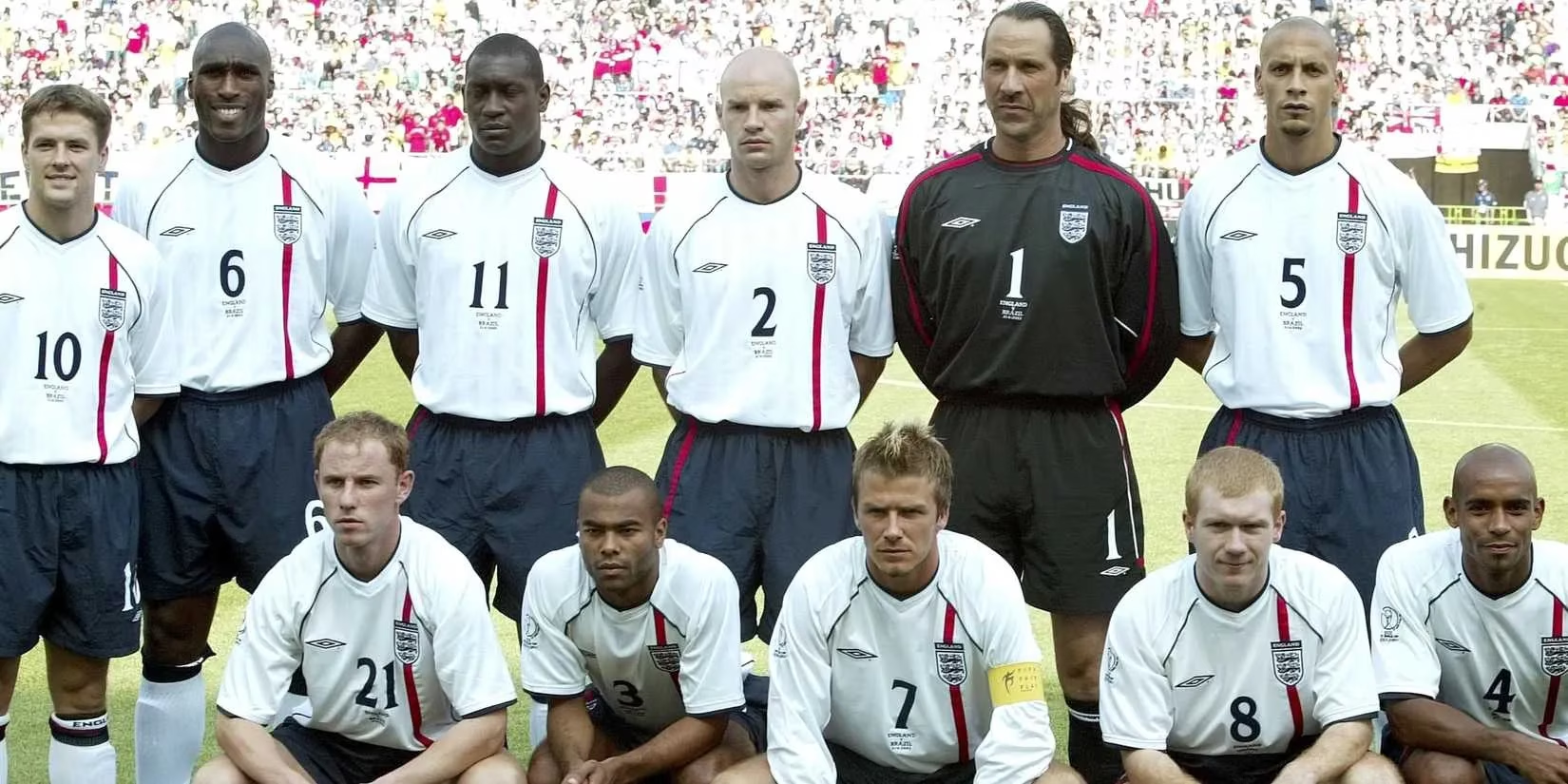
Speaking later to the Daily Mail, Owen opened up about the mental side of his decline. He explained that after winning his first Ballon d'Or, he believed he would add a second to his trophy cabinet. It was not arrogance. It was the natural confidence of a young player who had just been told he was the best in Europe. But fitness problems, and the mental block that followed, stopped that from becoming reality. The injuries did not just take away matches. They took away the certainty that had once made him so dangerous.
🧠 The Lesson of the Prediction
By 2026, the story of Pele's prediction reads as a cautionary tale about talent, timing and the fragility of the athletic body. Pele was not wrong to see greatness in Owen. The evidence was there in the speed, the goals and the Ballon d'Or. What Pele could not predict was the chain of injuries that would interrupt the story. Owen's career was not a failure. It was a brilliant flame that burned brightly and then flickered, a reminder that potential is never a guarantee.
The most poignant part is that Owen himself understood what might have been. He had the talent to become the best player on the planet, as Pele suggested. He had the work ethic and the intelligence to adapt. But football is a game played by bodies as much as minds, and Owen's body could not carry the weight of his own explosiveness. His story remains one of the great what-ifs of English football: a player who reached the top, won the biggest individual prize, and still left behind the feeling that there was more to come. Pele saw the possibility. Injuries wrote a different ending.