
When Oleksandr Zinchenko arrived at the City Ground on loan from Arsenal late in the 2025 summer transfer window, it felt like a masterstroke. The Ukrainian international had fallen out of favour in North London, and a fresh start under the guidance of Ange Postecoglou promised the regular minutes he desperately needed. Yet, just as he was establishing himself as a vital cog in Nottingham Forest’s defence, disaster struck. Back in October 2025, news broke that Zinchenko had picked up an adductor muscle injury, ruling him out of Ukraine’s international fixtures and casting a long shadow over Forest’s upcoming battles on multiple fronts.
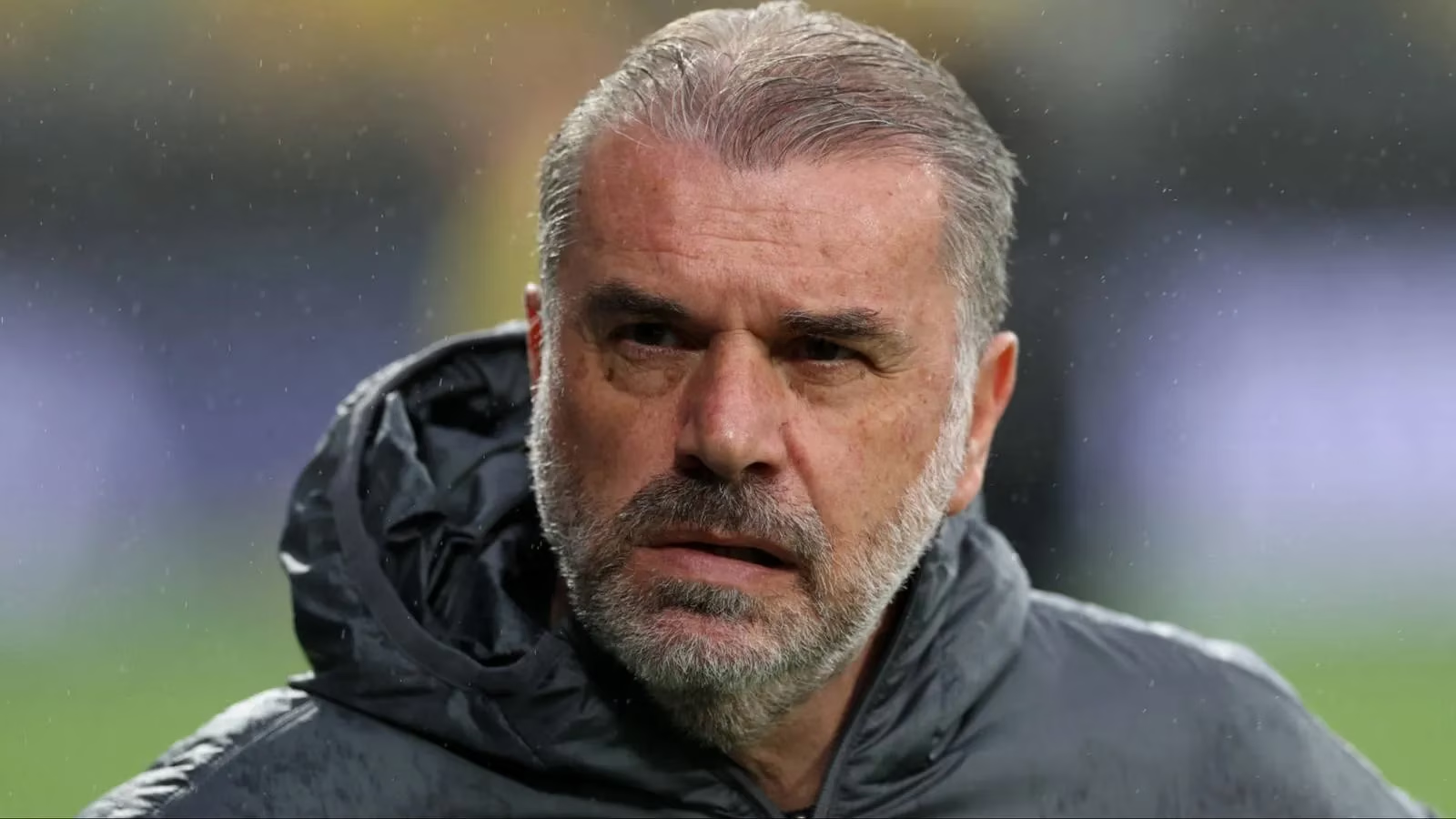
Zinchenko’s loan move had been one of the more intriguing storylines of the season. After struggling for game time at Arsenal, the £120,000-a-week left-back immediately jumped into the starting lineup at Forest. He racked up four consecutive starts, offering creativity, passing range and a calmness in possession that the Tricky Trees had sorely lacked. The problem? Despite his individual performances, the team was unable to secure a victory. Postecoglou had replaced Nuno Espírito Santo only a month earlier, and the side was still searching for an identity. Then came the body blow.
According to TaToTake, relayed by Ukrainian journalist Zorya Londonsk, Zinchenko was forced to withdraw from the October international matches with an adductor issue. The timing couldn’t have been worse. He had just played the full 90 minutes in a Premier League defeat against Sunderland, a game in which the injury likely occurred – though whether it was during the match itself or in training immediately after remains a mystery. This ambiguity raises a natural question: could better load management have prevented the setback? With a congested schedule looming, hindsight suggests that even the fittest players were walking a tightrope.
So, what did this mean for Nottingham Forest on the pitch? The fixture list offered little sympathy. Before the international break, Postecoglou’s men were set to host Danish outfit Midtjylland in the Europa League, followed by a demanding trip to Newcastle United in the league. Losing a left-back of Zinchenko’s calibre meant reorganising the backline at the most inopportune moment. Even the most optimistic supporter must have wondered: can a team already struggling for momentum really afford to lose its new defensive linchpin for an unknown period?
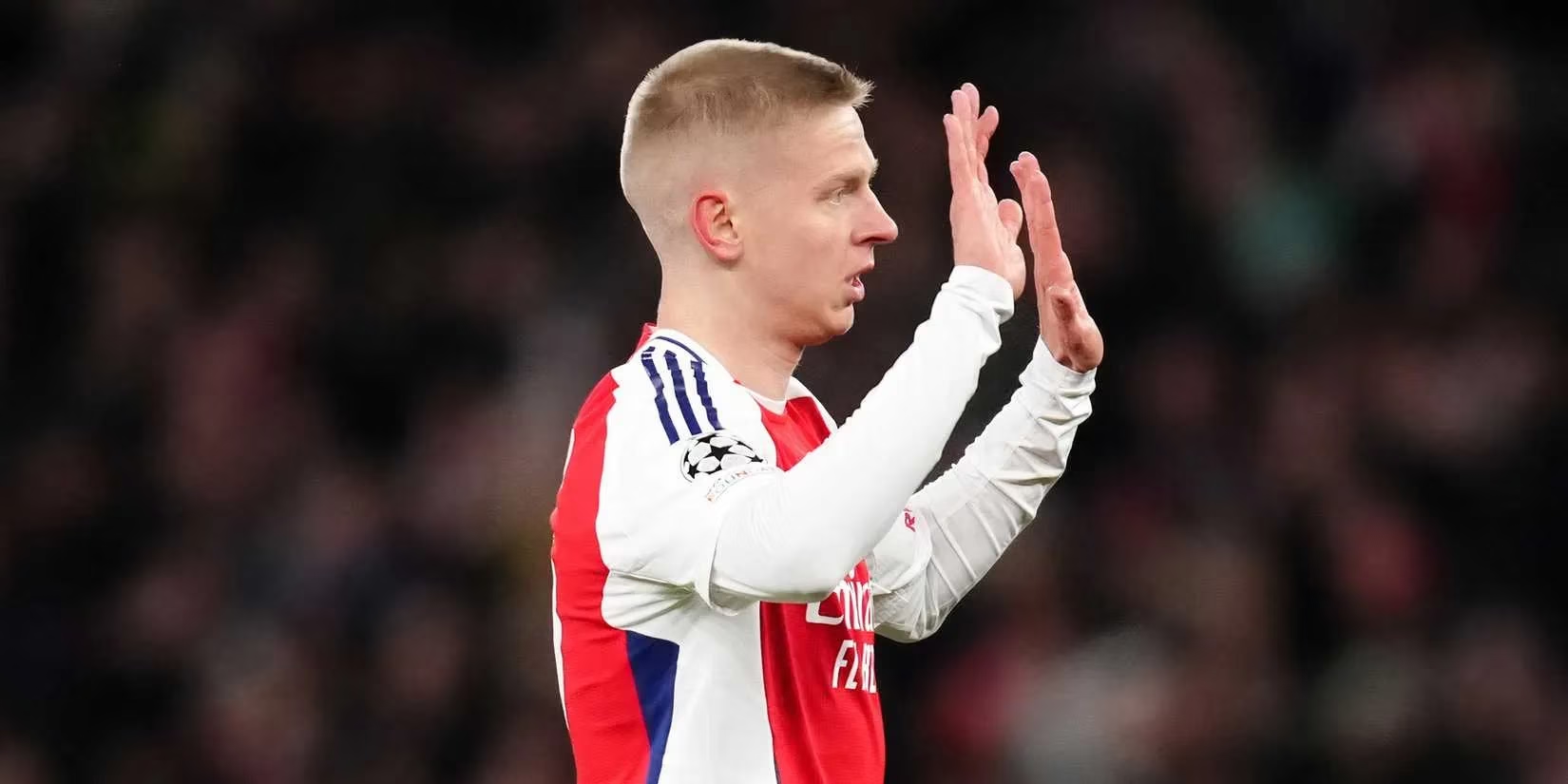
The short-term impact was obvious. Zinchenko would miss at least the clash with Midtjylland and the visit to St James’ Park – two games that could define Forest’s early-season direction. Beyond that, the post-international break schedule was equally daunting: a home Premier League date with Chelsea and a European night against Porto. Without their marauding Ukrainian, Forest risked losing not just defensive stability but also the progressive passing that helped transition defence into attack. At a time when every point mattered, having a key player on the treatment table felt like a cruel twist of fate.
From a 2026 vantage point, we can now reflect on how that adductor problem rippled through the remainder of the 2025/26 campaign. While Zinchenko eventually returned to action, the disruption came at a delicate stage. It took him several outings to rediscover his rhythm, and in the interim, Forest’s left side became a target for opponents. The episode also reignited debates about his durability – a question mark that had followed him since his Arsenal days. For a player who thrives on rhythm and confidence, an untimely injury can be more than physical; it’s a mental hurdle too.
What makes this particular saga so instructive is the weight of expectation placed on loan stars. Zinchenko wasn’t just a temporary fix; he was seen as a catalyst for Postecoglou’s tactical evolution. When he limped into the shadows that October, it forced Forest to contemplate uncomfortable Plan Bs. Could academy graduates step up? Would the manager tweak the formation to cover the gap? Such dilemmas are the bread and butter of football management, yet they rarely lead to pleasant answers.
Looking back, the adductor injury served as a microcosm of Nottingham Forest’s rollercoaster season. Moments of promise were often undercut by cruel setbacks, and Zinchenko’s personal journey mirrored the collective struggle. The silver lining, perhaps, is that adversity often forges resilience. The months that followed saw the Ukrainian reclaim his place and provide some memorable performances, reminding everyone why Postecoglou had pursued him in the first place. Still, the memory of those missed games lingers as a stark reminder of how quickly fortunes can pivot in elite football.
In the end, Oleksandr Zinchenko’s October 2025 injury story is a valuable chapter in the recent history of Nottingham Forest. It highlights the fine margins between progress and stagnation, and it underscores the critical role that fitness – and a slice of luck – plays in shaping a campaign. Whether you view it as a preventable mishap or sheer misfortune, one thing is certain: for those few autumn weeks, the sight of a sidelined Zinchenko sent shivers down the spines of Forest fans everywhere.