
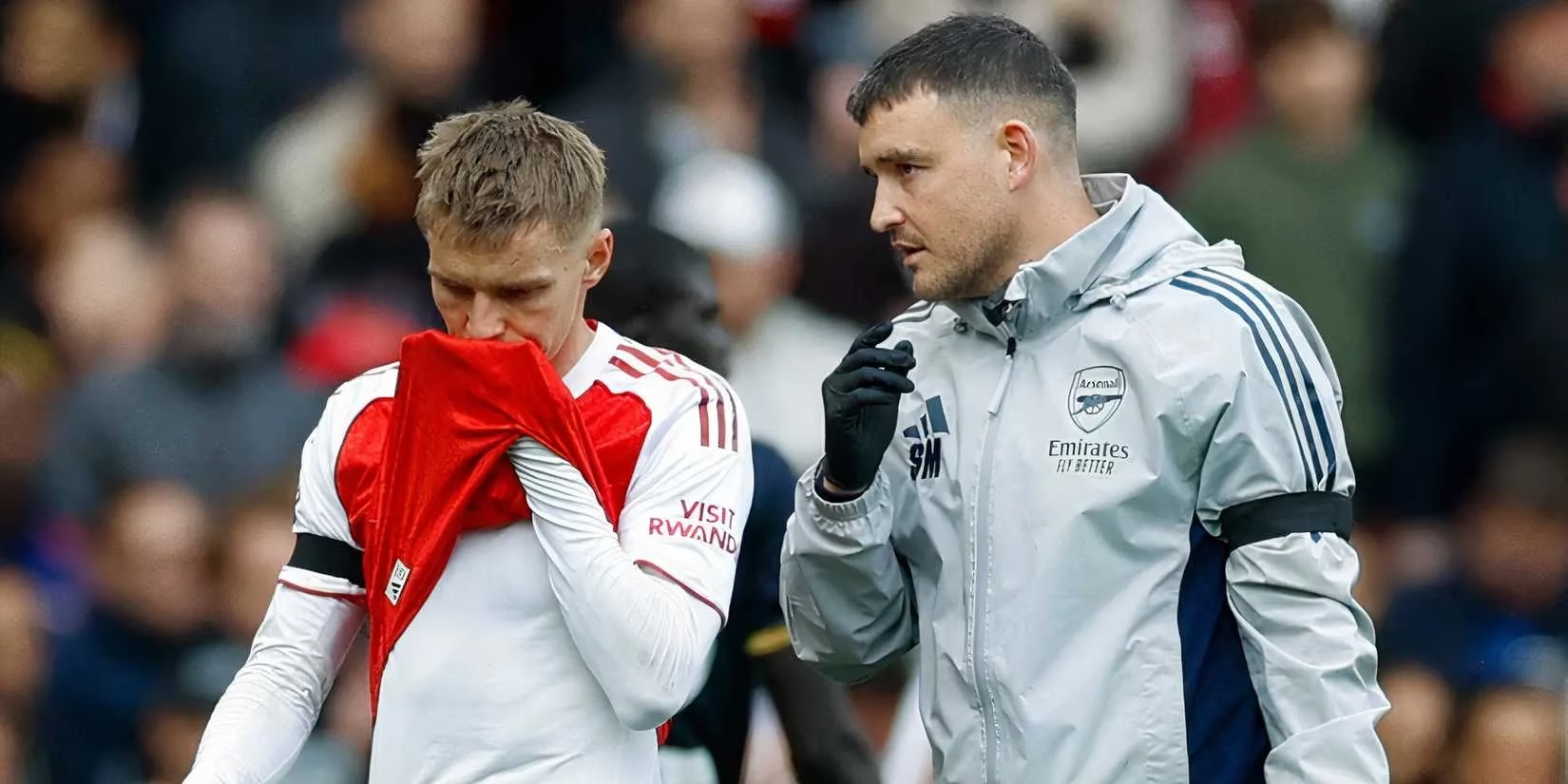
With Arsenal reclaiming top spot in the Premier League after a polished 2-0 victory over West Ham United, the mood at the Emirates should have been one of unbridled optimism heading into the October international break. Instead, a first-half knee injury to captain Martin Odegaard has injected a fresh wave of anxiety into the Gunners' campaign. The Norwegian playmaker limped off just 30 minutes into the contest, and while Mikel Arteta’s side ultimately cruised to three points, the sight of their most creative force clutching his leg will linger long after the final whistle.
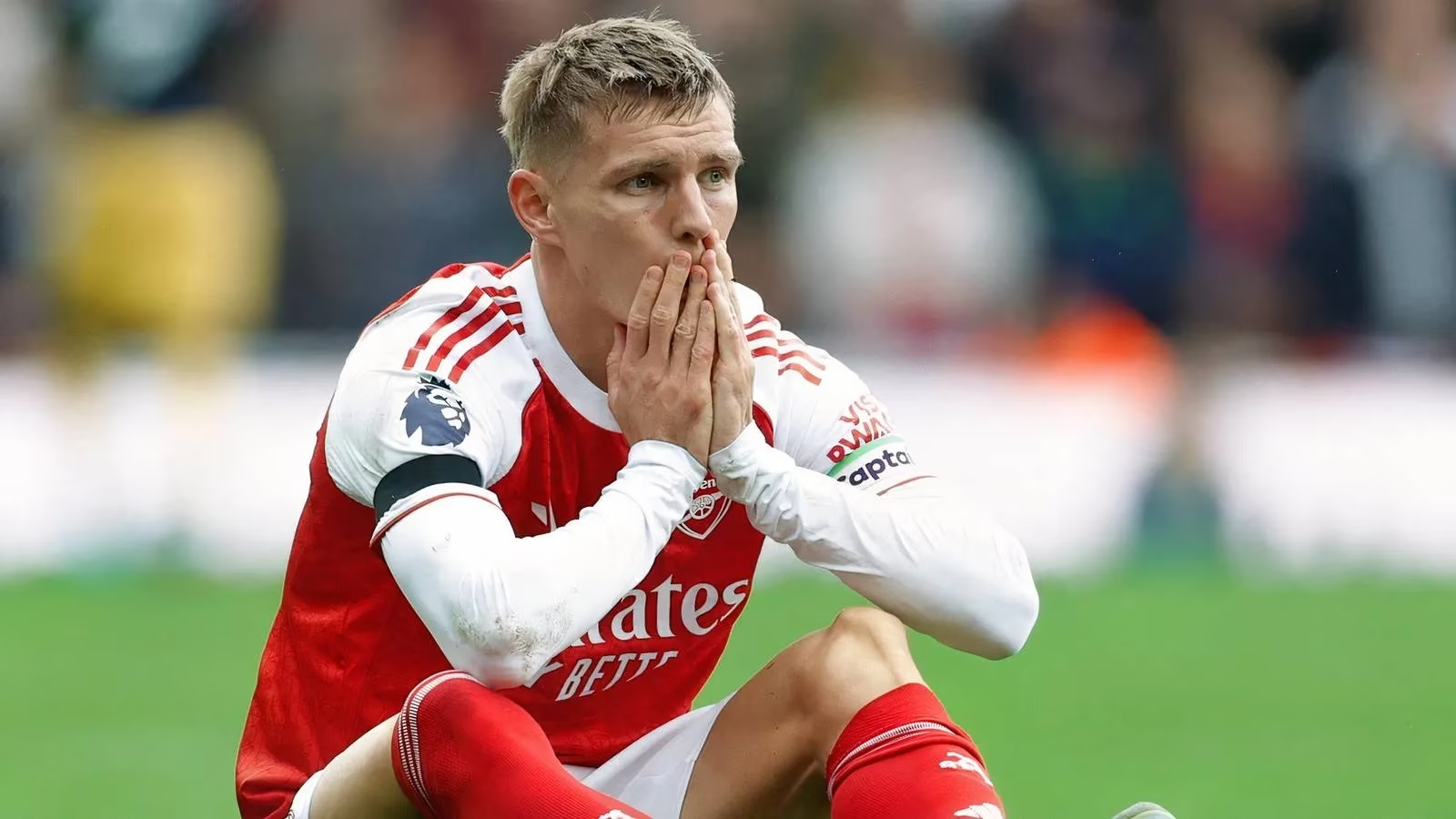
Declan Rice, jeered relentlessly by the away fans on his return to the London Stadium, broke the deadlock just before half-time with a well-placed finish. Bukayo Saka then doubled the advantage from the penalty spot midway through the second half, sealing a win that lifted Arsenal above Arne Slot’s Liverpool. The scoreline, however, masked the anxiety that had rippled through the away end since Odegaard’s early departure.
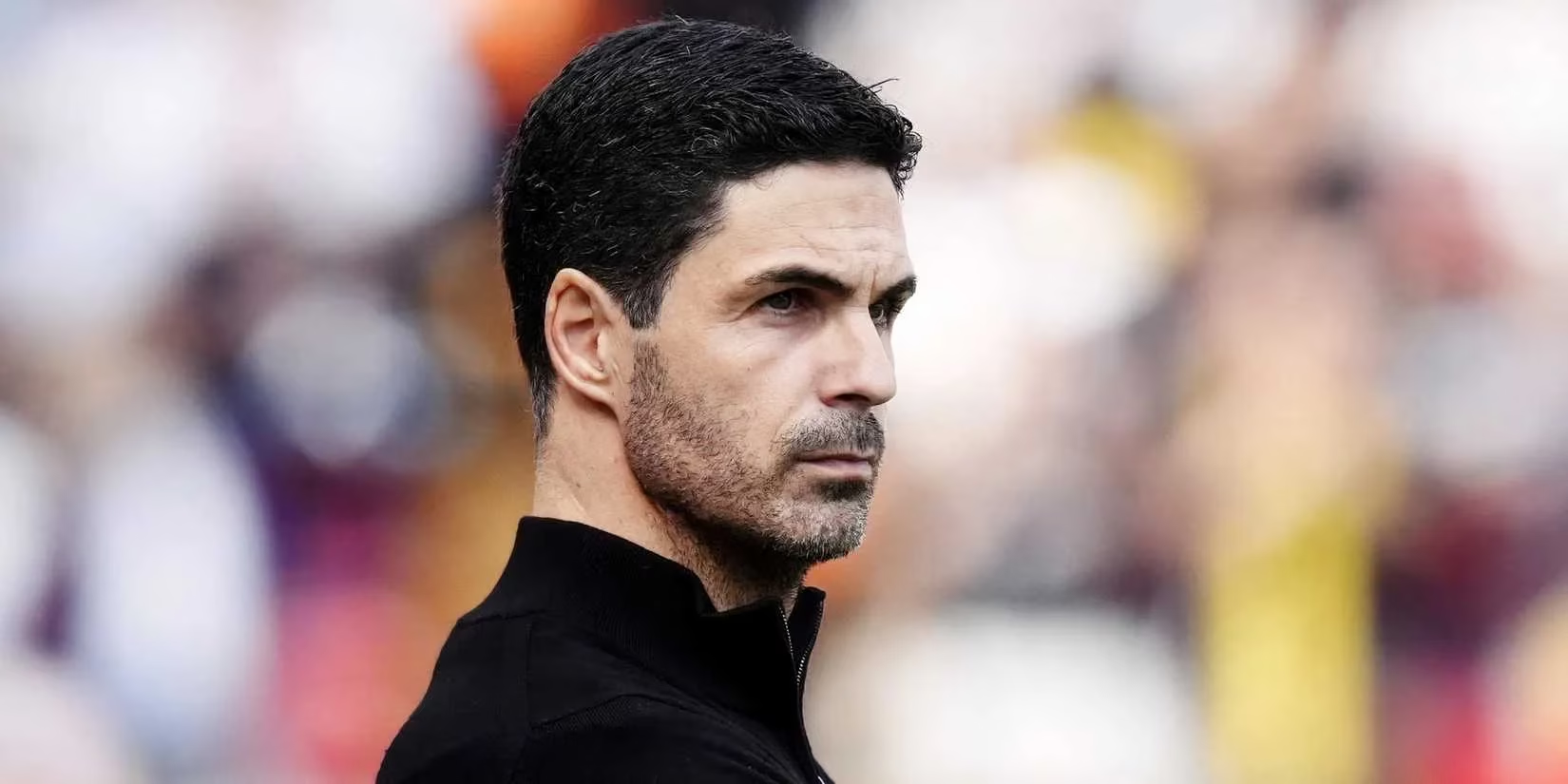
The midfielder had only recently shaken off a shoulder issue, and this latest setback came in the most innocuous of ways. A knee-to-knee collision left him visibly distressed, and Arteta did not mince words in his post-match press conference. “He had a clash knee-to-knee, and immediately he was uncomfortable,” the Arsenal manager said, confirming that the captain would undergo scans to determine the extent of the damage.
As Arsenal fans bite their nails during the international hiatus, a respected injury analyst – @physioscout – has offered a detailed breakdown of what Odegaard might be facing. The expert highlighted two primary possibilities based on the mechanism of the collision. “A blow to the outer quad at contact brings concerns for a painful quad contusion or bone bruise injury,” the post read. “These can be extremely painful at first but can settle quite fast as the week progresses. However, the other option is an injury to the MCL upon valgus stress at contact. Less likely here, but still an option.”
Recovery timelines differ dramatically between the two scenarios. According to the expert’s assessment, a quad contusion or bone bruise would typically sideline a player for a period measured in days rather than weeks. In that best-case scenario, Odegaard could be back in training shortly after the international break, potentially missing only the trip to Fulham before being available for the Champions League clash against Atletico Madrid.
Should the scans detect any involvement of the medial collateral ligament, however, the outlook darkens considerably. A grade one or two MCL sprain could keep the skipper out for a minimum of two weeks, ruling him out of several crucial fixtures. The conditional breakdown of recovery times, as outlined by the injury analyst, makes the waiting game all the more tense for the Arsenal faithful.
| Potential Injury | Estimated Recovery Window |
|---|---|
| Quad contusion / bone bruise | 5–10 days |
| MCL sprain (Grade 1–2) | 2–6 weeks |
| MCL involvement with further complications | 6+ weeks |
Arsenal’s fixture list over the next month offers little room for pause. A visit to Fulham is immediately followed by a high-stakes European night at home to Atletico Madrid. Then come back-to-back Emirates encounters against Crystal Palace and Brighton & Hove Albion. Dropping points in any of those games could derail a title challenge that, until the West Ham victory, had been gathering steady momentum.
Odegaard’s importance cannot be overstated. Even when his own numbers have dipped, his presence elevates those around him. His partnership with Rice provides the equilibrium Arteta’s system demands – one a metronomic distributor and pressing trigger, the other a relentless ball-winner capable of stepping into the leadership void. Without their Norwegian architect, Arsenal have often looked labored in possession, lacking the final-third incision that unlocks stubborn defenses.
So who could step in if the captain is consigned to the treatment table? The most natural solution lies with summer acquisition Eberechi Eze, who has shown his best football when deployed centrally rather than on the left. Eze’s dribbling and eye for a killer pass make him the most like-for-like understudy, especially with Viktor Gyokeres leading the line and demanding service. Another intriguing option is teenage sensation Ethan Nwaneri, whose cameo appearances this season have hinted at a player ready for greater responsibility. Arteta is not a manager who shies away from trusting youth, and Nwaneri’s close control and composure could offer a different kind of spark from the number ten role.
Still, the mood remains cautiously optimistic. The international break has arrived at an opportune moment, granting the medical team a fortnight to assess Odegaard without the immediate pressure of matchday selection. Early club sources, while refusing to put a definitive timeline on his return, have suggested the injury is “not as bad as first feared” and have not ruled out a speedy recovery. Until the scan results are made public, however, the uncertainty will hang over north London like a stubborn cloud.
Odegaard’s absence would test the depth Arteta has worked so hard to cultivate. The title race is already shaping up to be one of the tightest in recent memory, and losing a player of his caliber for any length of time could shift the balance ever so slightly. For now, all eyes remain on the physio room – and on the social media feeds of experts who have become modern-day oracles for supporters desperate for any crumb of good news.