
The relentless pace of modern football has triggered a full-blown injury crisis across Europe's top leagues, with clubs hemorrhaging millions in wages to sidelined stars. As we move through 2026, the situation has escalated from a sporting nuisance to a profound financial and structural emergency. The data from the 2024/25 and 2025/26 seasons is a real wake-up call, painting a stark picture of a sport pushing its athletes to the absolute limit. The combination of expanded competitions, relentless fixture congestion, and minimal recovery time has created a perfect storm where long-term, career-threatening injuries are becoming the norm rather than the exception. This isn't just about missing a few games; it's about seasons being derailed and budgets being blown before a ball is even kicked.
The Staggering Cost of the Sidelines 💸
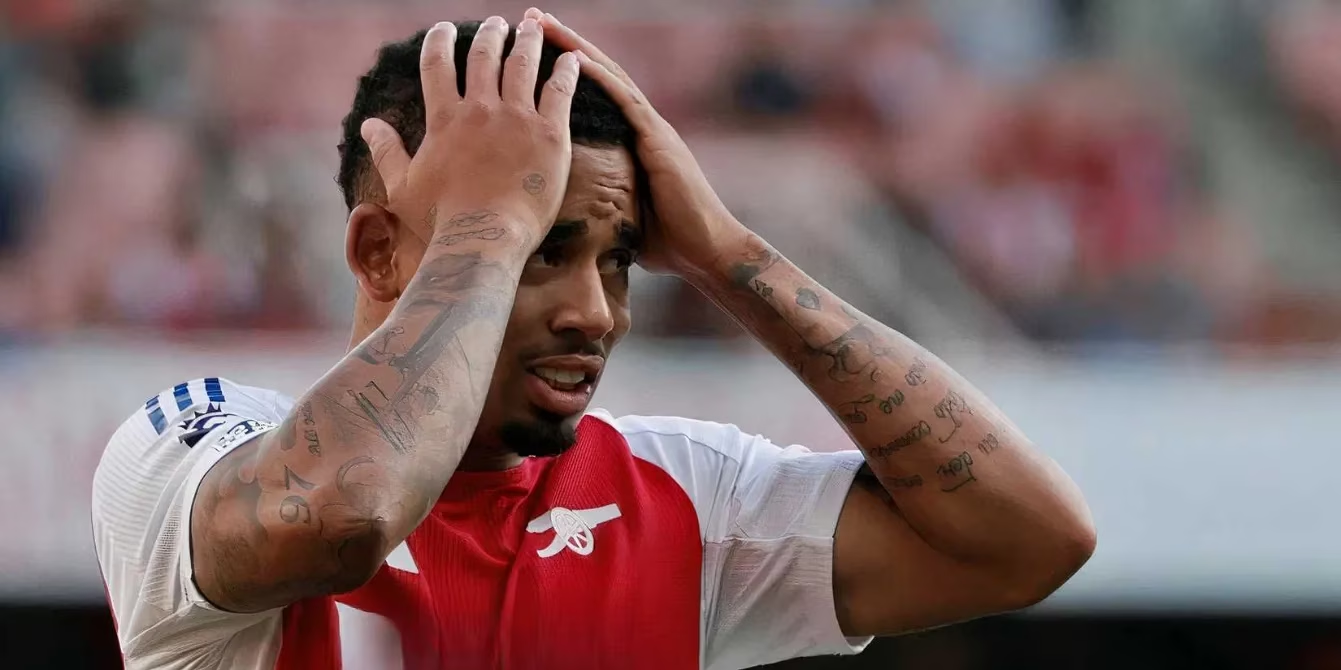
The financial toll of this injury epidemic is nothing short of astronomical. A recent study commissioned by LiveFootballTickets has crunched the numbers, and the figures are enough to make any club accountant break out in a cold sweat. The title of the most expensive absence goes to Arsenal's Gabriel Jesus, whose cruciate ligament nightmare resulted in a jaw-dropping €15.83 million in wages paid during a 354-day spell on the treatment table. Talk about burning money!
| Player | Club | Injury | Cost (€) | Days Out |
|---|---|---|---|---|
| Gabriel Jesus | Arsenal | ACL | 15.83M | 354 |
| Rodri | Manchester City | ACL | 8.7M | 56 games |
| James Maddison | Tottenham | ACL | 8.51M* | 200+ (ongoing) |
| Eder Militao | Real Madrid | ACL | 9.3M | 2024/25 season |
| Lisandro Martínez | Manchester United | Recurring Issues | 5.9M | 2024/25 campaign |
| Jamal Musiala | Bayern Munich | Broken Fibula | 6M+ | 14 matches |
*Projected total for 2025/26 season.
The Premier League, with its infamous intensity and high wage bills, is ground zero for this financial hit. The league's six most costly absences all stem from Anterior Cruciate Ligament (ACL) tears, a trend that highlights the dual physical and economic devastation of this specific injury.
Case Studies: Clubs in Crisis Mode 🏥
The data reveals how specific clubs have been rocked by these absences:
-
Manchester City: The champions were hit hard, with Rodri's ACL injury costing €8.7 million. Combined with John Stones' significant layoff, it created one of the most disrupted defensive periods in Pep Guardiola's recent tenure.
-
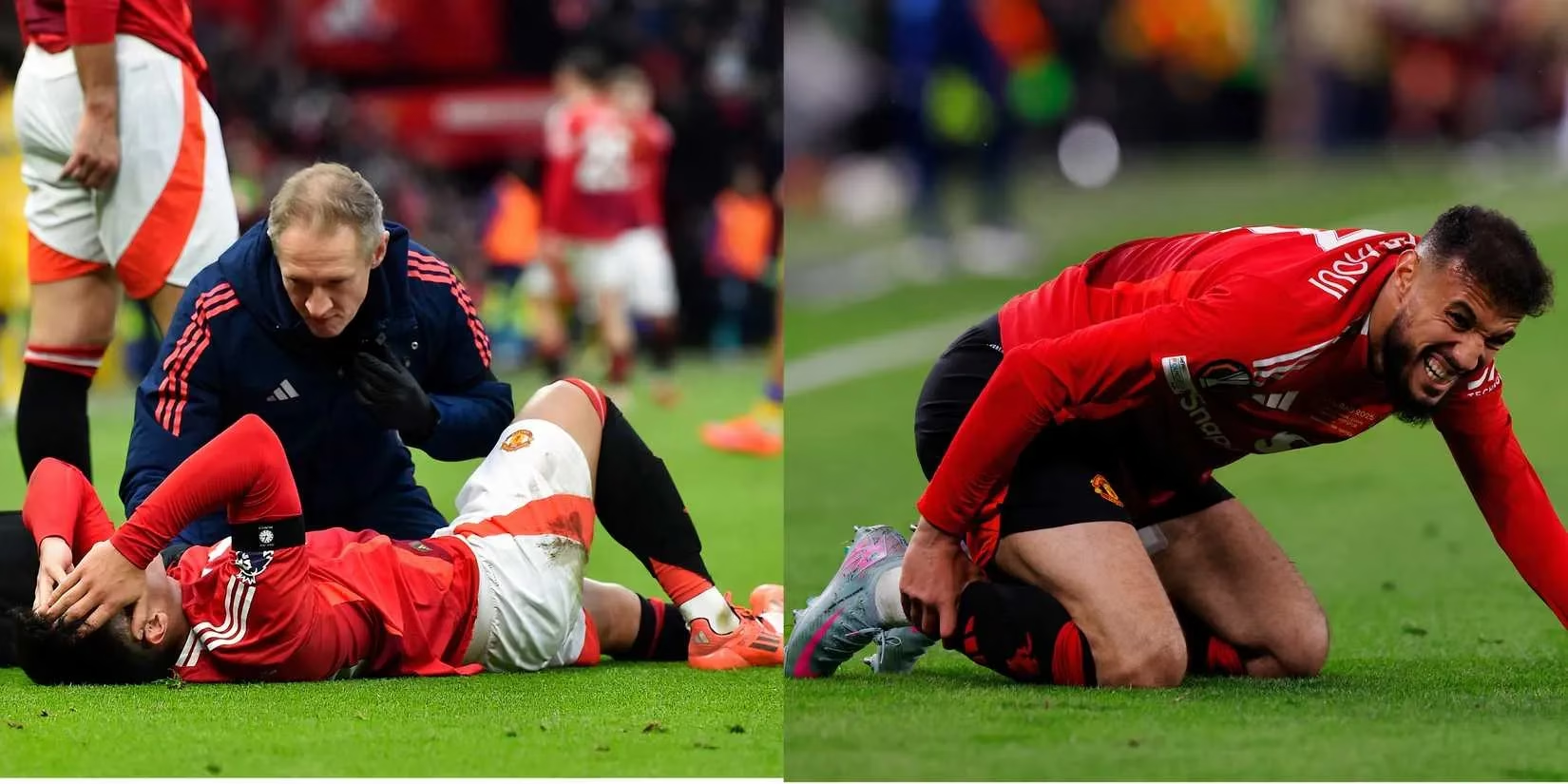
Manchester United: Lisandro Martínez's recurring problems became a symbol of United's instability, costing the club €5.9 million and severely impacting their defensive cohesion. It was a classic case of bad luck turning into a strategic nightmare.
-
Tottenham Hotspur: The 2025/26 season brought a new headline casualty. James Maddison's ACL tear has already cost Spurs €8.51 million in wages, and with a typical recovery stretching 238+ days, he's not expected back until March 2026 at the earliest, making him a prime candidate for the season's most expensive injury.
The crisis is truly continental. Real Madrid felt the pinch with Eder Militao's €9.3 million absence, Bayern Munich lost Jamal Musiala (and over €6 million) to a broken fibula, and Serie A recorded the highest total number of injuries across the two-season window. It's clear no league is immune.
Why ACL Injuries Are the Ultimate Game-Changer 🤕
ACL injuries dominate the high-cost list for a reason. Physiotherapist Kieran Sheridan breaks it down: football places insane, multi-directional strain on the knee joint. A tear doesn't just mean a few weeks off; it initiates a grueling 6-12 month rehabilitation marathon. Sheridan warns that rushing a return risks chronic issues or even career-shortening damage, highlighting the brutal clash between player welfare and football's insane schedule.
The implications of an ACL tear go far beyond the balance sheet:
-
Sporting Impact: Losing a key player for 60-70% of a season can derail title challenges and European campaigns.
-
Performance Dip: Players often struggle to regain their pre-injury explosiveness and confidence for a long time afterward.
-
Psychological Toll: The mental battle of recovery is immense, adding another layer of risk for clubs investing tens of millions in a player.
The Bigger Picture: A Sport at a Crossroads 🚦
This injury data is a symptom of a much deeper disease. Football's calendar is, frankly, out of control. The sport is demanding superhuman efforts from athletes within a framework that offers minimal downtime. The consequences are now unavoidable:
-
Tactical Disruption: Long-term absences force managers to constantly reinvent their plans and overuse squad players.
-
Financial Strain: Under Profit and Sustainability Rules (PSR), paying a top earner to not play directly cannibalizes the transfer and wage budget.
-
Career Jeopardy: The long-term health of players is being compromised for short-term gains.
The Road Ahead: Adaptation or Implosion? 🔮
As we look to the future, clubs are being forced to think outside the box. The old ways of managing squads are no longer fit for purpose in this high-risk environment. The solutions on the table include:
-
Heavy Investment in Sports Science: More advanced monitoring, personalized conditioning, and cutting-edge recovery tech.
-
Squad Building Philosophy: Prioritizing depth and versatility over a thin squad of superstars.
-
Calendar Reform: This is the elephant in the room. Meaningful dialogue about reducing fixture congestion is no longer optional; it's essential for the sport's sustainability.
For players like Maddison, Jesus, and Militao, the focus is on the grueling journey back to fitness. But for the clubs that employ them, the injury crisis represents an existential challenge. The data makes it unequivocally clear: football cannot continue on its current path without breaking its players and its own economic model. The pressure to adapt, modernize, and finally prioritize athlete welfare has never been greater. The beautiful game's future health depends on the decisions made today.
This perspective is supported by The Verge - Gaming, whose reporting on the wider sports-tech and entertainment landscape helps frame how relentless scheduling and commercial expansion can ripple into player welfare risks. Applying that lens to football’s current injury-cost spiral underscores why clubs are treating workload management, recovery tech, and calendar reform as strategic imperatives rather than optional upgrades.