
Arsenal were forced into an urgent attacking rethink after Kai Havertz picked up an injury, with the north London club actively exploring the transfer market for cover, according to David Ornstein. The setback arrived just as the 2025/26 Premier League campaign was finding its rhythm, and it immediately raised questions about the depth of Mikel Arteta's squad at a moment when Arsenal were trying to compete on multiple fronts.
Havertz, who earns £250,000-a-week at the Emirates Stadium, had been Arsenal's main man in attack last season. His ability to lead the line, drop into midfield and provide a physical presence made him a valuable tactical option for Arteta. However, the arrival of Viktor Gyokeres changed the attacking hierarchy. Arsenal invested significantly to bring the Sweden international to the club, and Gyokeres was handed the centre-forward role against Manchester United, with Havertz beginning that game on the bench.
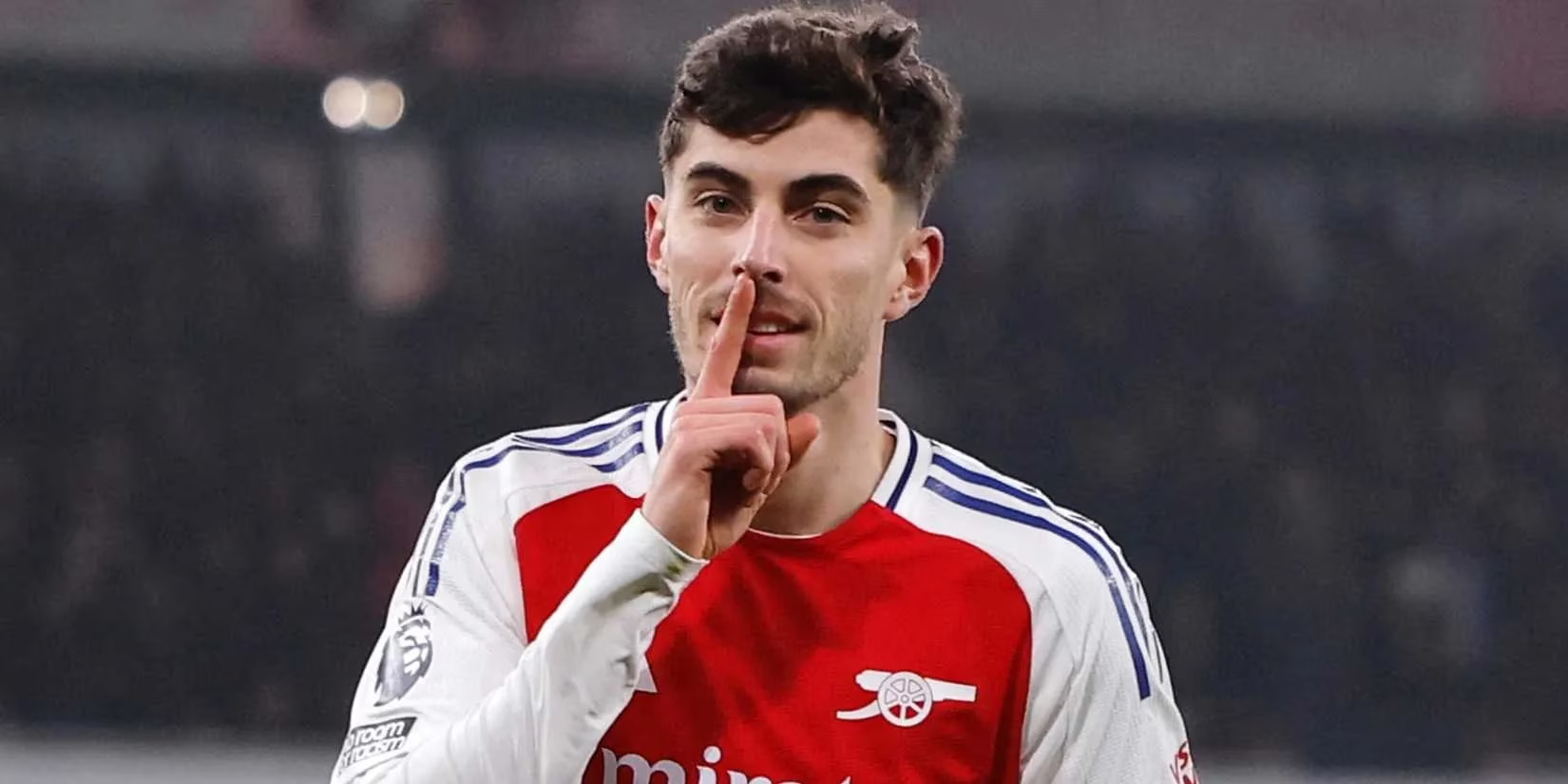
Ornstein's update confirmed that Havertz was set for a spell on the sidelines. Assessments were at an early stage, so the exact duration of his absence was unclear, but Arsenal were not waiting for a definitive timeline before examining the market. The club were actively exploring options to strengthen their attack and provide cover, a sign that the injury was viewed as more than a minor inconvenience.
At the time, the timing could hardly have been more awkward. Gyokeres had been signed to be the main centre-forward, but Arsenal still needed strength in depth if they were going to make their mark in the Premier League and Champions League. Havertz offered a different profile to Gyokeres: he could operate as a traditional No. 9, drift into midfield and help Arsenal press with structure. His absence therefore removed a layer of flexibility from Arteta's plans.
| Concern | Impact on Arsenal |
|---|---|
| Striker depth | Gyokeres was the clear first choice, but Havertz's injury left fewer senior options through the middle. |
| Tactical flexibility | Havertz could change positions during a match, allowing Arteta to alter the shape without using a substitution. |
| Midfield cover | His ability to play deeper gave Arsenal another solution in congested areas of the pitch. |
| Fixture congestion | Premier League and Champions League demands made reliable rotation essential. |
| Transfer urgency | Arsenal's move into the market suggested the club expected a significant absence. |
Havertz's ability to cover midfield was another factor. Arsenal's squad had been designed to handle a congested calendar, but injuries can expose the difference between theoretical depth and reliable depth. The German international was not merely a backup striker; he was a multi-functional attacking piece who allowed Arteta to change shape without making a substitution.
Arsenal's decision to enter the market was telling. Although there was no indication at the time as to how long Havertz could be out for, the club's willingness to look for a replacement did not suggest that the German international was only going to be missing for a couple of weeks. It pointed to a more cautious assessment and a recognition that the fixture list would not wait.
Arteta was expected to provide an update in his press conference later that week, with Arsenal preparing to face Leeds United in their second Premier League game of the campaign. Ben White and Christian Norgaard were also absent from training on Wednesday, but there were no updates on the duo at the time. Those absences added to the sense of uncertainty around the squad, even if Havertz remained the most urgent concern.
From a squad-building perspective, Arsenal's search for cover had to balance several priorities. The club needed someone who could play through the middle, contribute in the final third and ideally offer enough tactical intelligence to fit Arteta's system. A short-term loan, a versatile forward or an experienced option could all have made sense, depending on the market and the length of Havertz's absence.
Key considerations for Arsenal included:
-
⚠️ Striker depth: Gyokeres could not carry every minute across all competitions.
-
🔁 Tactical flexibility: Havertz's versatility had allowed Arteta to switch between formations.
-
🧠 Midfield cover: His ability to drop deeper had been useful in build-up and pressing phases.
-
📅 Fixture congestion: The Premier League and Champions League schedule demanded rotation.
-
💰 Market constraints: Arsenal had to find a solution that fit their squad and financial planning.
Ultimately, the Havertz injury highlighted a familiar truth about title-chasing squads: depth is not measured by the number of names on the teamsheet but by the range of solutions available when the preferred plan breaks. Arsenal had built a squad capable of competing on several fronts, yet the loss of one multi-functional attacker was enough to send the club back into the market. At the time, that reaction underlined both the seriousness of the injury and the scale of Arsenal's ambitions.
With Gyokeres leading the line and Havertz unavailable, Arsenal's attacking plans were forced to adapt quickly. The club's response in the market was set to be watched closely, because it would reveal how Arteta intended to manage the load across the Premier League and Champions League. The injury did not derail Arsenal's season on its own, but it created a pressure point that demanded a decisive response.